

and with that, the 2025 season has come to an end. goodnight.
We love to do a good recap… so let’s take a look at what defined the year in marketing, and what we’re leaving behind.
Marketing changed a lot in 2025, and almost all of it came back to one theme: people wanting connection over perfection. This year was about brands being human, showing their communities, and building experiences that felt real. As audiences began to pull back from overly curated content and rigid marketing tactics, the industry shifted toward creativity that felt grounded in everyday interactions.
what was popular in 2025
UGC
One of the biggest shifts was the rise of human-centered content. UGC, or user-generated content, became more than just a trend; it became the standard for trust. Audiences preferred videos from real customers, team members, and people who interact with a product every day.
Founders Turned Creator
2025 also leaned heavily into founders stepping into the role of creator. The combination of founder and influencer worked because it blended authority with relatability. Creators launching brands and founders maintaining personal brands created a loop of trust that audiences responded to.

Community First
Community building also became a huge part of strategy. Instagram and TikTok channels made niche group chats feel like small digital neighborhoods. Brands hosted local meetups, Barebells (a protein bar brand) ran 5Ks in major cities, and pop up events drew crowds who wanted to engage offline. Customers looked for brands to be part of their “after 5pm” lives, whether that meant hobbies, fitness, workshops, or just showing up to something in the community.
Structure Allowing For More Creativity
A lot of teams leaned into being more structured. Scheduled posting finally became normal instead of optional. Brands stopped posting and ghosting and started interacting with comments, saving content ahead of time, and treating social media like a routine. This structure opened room for creativity. Teams leaned towards creative and engaging media instead of boring advertisements.
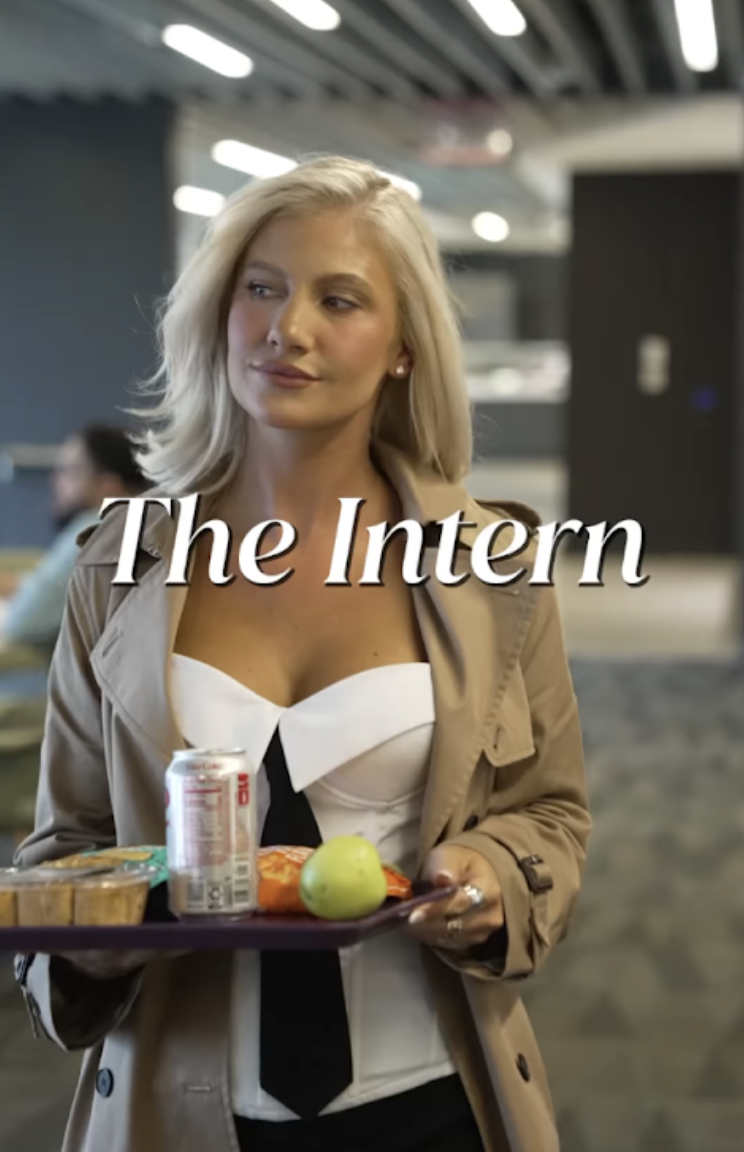
A good example of this is InStyle Magazine’s reality TV themed intern series, where influencers step into the role of interns. It showcased real employees who work behind the scenes for the magazine and introduced the personalities who run the brand. The series humanized their office and made a big magazine company feel more relatable. It added humor, brought more personality into their content, and gave audiences a behind the scenes look that people connected with.
what faded in 2025
Automated and AI Captions
As human-centered content took over, overly automated content fell out of favor. Raw AI captions were easy to spot and became a fast way for audiences to scroll past a post. People wanted warmth, not robotic phrasing.
Doomscrolling begins to fade
Doomscrolling culture lost its grip too. With “analog hobbies” (offline activities like: reading, exercising, and crafts) becoming more popular, doomscolling lessened. Before, people used to scroll online to take a break from the real world, and now they find themselves taking breaks from social media to reconnect with the world. Talk about a full circle moment, right?
As attention spans were healing, the punchy short-form content with little value faded and viewers found informative longer form content more valuable. Engaging and thoughtful marketing beat the quick dopamine hits people once craved.
Influencers Who Weren’t Authentic or Relatable
We also saw more pushback on out-of-touch influencer marketing . When influencers felt disconnected from their own audiences, or when brands launched campaigns that ignored the reality of their customers, the backlash was immediate. Examples like Dfyne and Tarte reminded everyone that trust is fragile.
Fast Fashion
Fast fashion signals like Labubus and overconsumption core lost a ton of momentum. People leaned into quality, longevity, and timeless pieces rather than trend cycles that lasted only a week. As overconsumption became harder to ignore, customers naturally moved toward brands that emphasized quality and purpose.
2025 made it clear that marketing is moving toward a more thoughtful place. The brands that stood out were the ones that listened, showed up for their communities, and stayed intentional with their storytelling. As we go into a new year, the opportunity is in building trust, creating work that feels connected to real people, and treating content as something to grow with instead of something to chase. Marketing is shifting in a direction that feels more grounded, and there is a lot of room for brands to lean into that.
Follow Tric Agency for the latest insights, trends, and strategies shaping the digital world. And if you’re looking to elevate your brand with creative, data-driven marketing – we’d love to work with you. Let’s create something electric together.